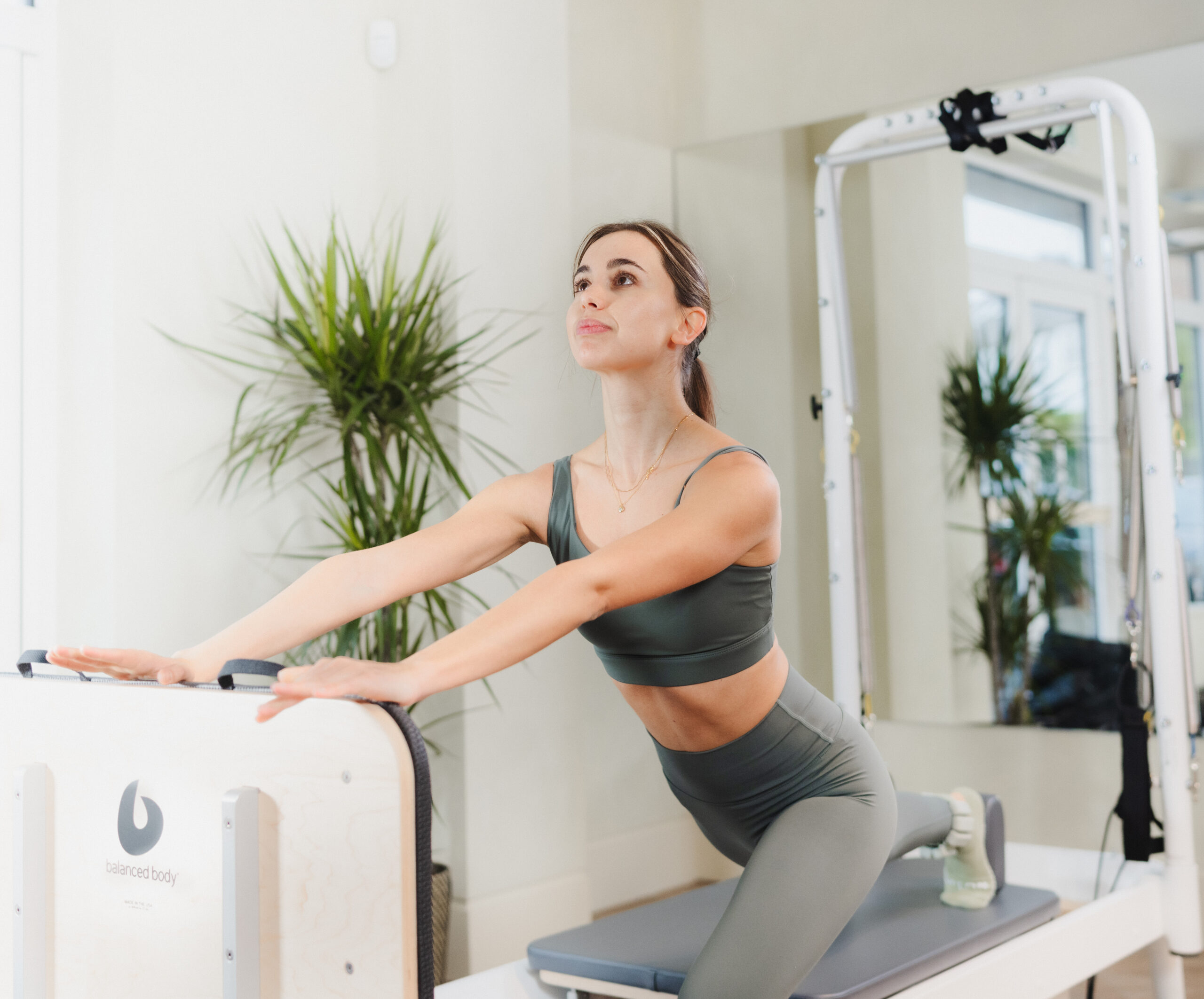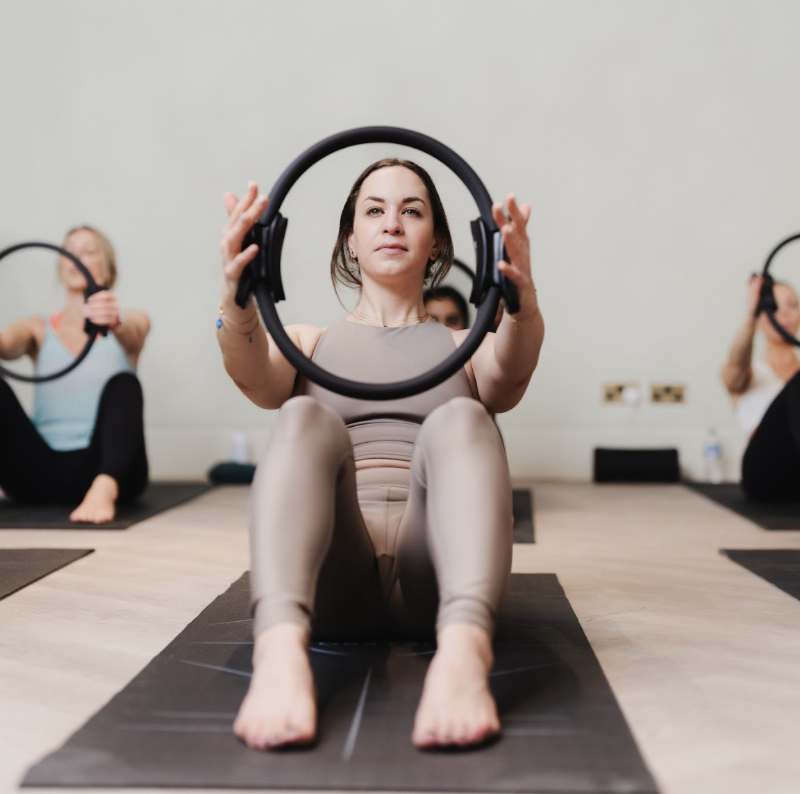
At Avalon we offer Physiotherapy to support your movement journey!
Whether you’re dealing with specific stiffness or pain, recovering from an injury, or simply looking to learn a safe and effective way to move your body alongside your Pilates practice, our expert physiotherapist Giovanni is here to help. Combining expert knowledge with a personalized approach, physiotherapy at Avalon can help restore balance, improve function, and give you the confidence to move with ease and awareness every day.
The importance of morning stretches
Morning stretches are a powerful way to awaken both the body and the nervous system, setting the tone for a calm, energized day. Finding a quiet, tranquil place to stretch allows the mind to settle and helps us turn inward, creating space for intentional movement. Beginning with a few deep breaths grounds us in the present moment and prepares the body for gentle activation. As we stretch, it’s beneficial to scan the body from head to toe, noticing areas of tension or stiffness. These mindful movements are not only a great way to mobilize the body but also play a key role in preventing injuries by increasing flexibility and circulation. For those recovering from injuries, gentle stretching can aid in rehabilitation by promoting blood flow and restoring range of motion, provided movements are done mindfully and within a comfortable range.
Top 3 morning stretches to wake the body up
Safe, effective stretches include neck rolls, cat-cow, and side body bends.
To perform a neck roll, sit or stand tall with a straight spine, relax the shoulders, and gently lower your chin toward your chest. Slowly roll your head in a semicircle to one side, bringing the ear toward the shoulder. Pause briefly, then roll back through center and to the other side. Avoid dropping the head all the way back to protect the cervical spine. Repeat slowly for a few rounds, breathing steadily.
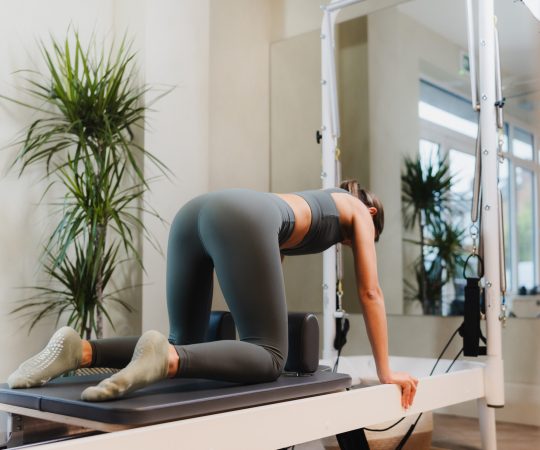
For cat-cow, come onto all fours with wrists under shoulders and knees under hips. Inhale to arch the back, lifting the tailbone, chest, and gaze, this is cow pose. Exhale to round the spine, tucking the tailbone and drawing the chin toward the chest, this is cat pose. Move fluidly between these two, matching breath to movement for 5–8 rounds.
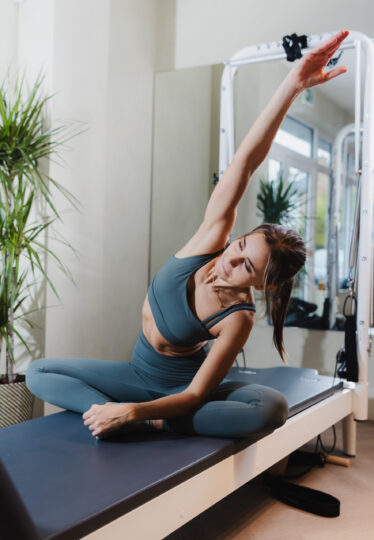
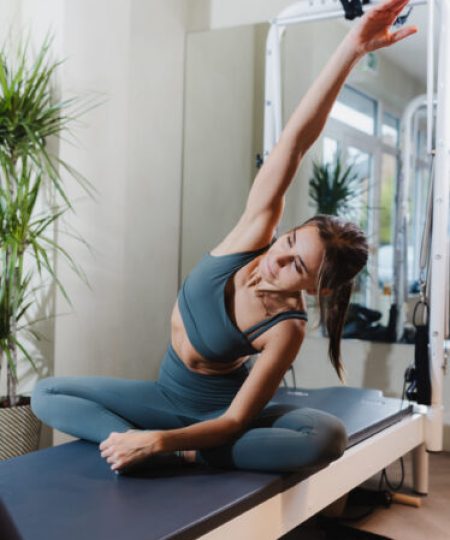
For side body bends, sit cross-legged or stand with feet hip-width apart. Inhale to reach the right arm overhead, then exhale to lean gently to the left, feeling the stretch from the hip up through the ribs and armpit. Keep the opposite hand grounded or resting on the thigh. Inhale back to center and repeat on the other side. These simple yet effective movements help to lengthen, twist, and roll the spine, reduce stiffness, and foster a deeper connection between body and breath.
Dealing with a stiff back
Many people develop stiff backs due to poor working or sitting habits, slouching at desks, sitting for prolonged periods without movement, or using unsupportive chairs. Over time, this stiffness can lead to chronic pain, reduced mobility, and imbalances in posture and strength. Left unaddressed, these physical issues often begin to affect the mind as well, contributing to fatigue, stress, and a diminished sense of well-being. Taking proactive steps to move regularly, stretch, and correct posture is essential not just for physical health, but for maintaining mental clarity and emotional balance in the long run.
Three top tips for stiff backs
Supine Twist helps decompress and realign the spine while releasing tension in the lower back. Lie on your back and hug both knees into your chest, then gently lower them to one side while keeping your shoulders grounded. Extend your arms out in a T-shape and turn your head in the opposite direction of your knees, holding the twist for 30 to 60 seconds before switching sides. This gentle spinal rotation helps to ease tightness and restore balance.
Standing Forward Fold with bent knees, with your feet hip-width apart, hinge forward from the hips, allowing your upper body to hang toward the floor. Keep your knees generously bent to avoid straining the lower back, and either let your arms dangle or hold opposite elbows. Staying in this position for up to a minute with slow, relaxed breathing can decompress the spine and reduce built-up tension from prolonged sitting or standing.
Bridge Pose helps strengthen the glutes and lower back while gently stretching the spine and hip flexors. To perform it, lie on your back with your knees bent and feet flat on the floor, hip-width apart, with your arms resting alongside your body. As you inhale, press through your heels to lift your hips toward the ceiling, engaging your glutes and core. Keep your thighs parallel and avoid flaring the ribs. Hold the lift for a few breaths, then slowly lower down on an exhale. Repeating this movement 8–10 times not only relieves stiffness but also builds the supportive muscles around the spine, helping to prevent further discomfort.
Practicing these movements regularly can make a significant difference in reducing stiffness and improving back mobility. Using appropriate equipment like ergonomic chairs, lumbar support cushions, or a stability ball can encourage better spinal alignment while working. At home, tools like foam rollers, stretching straps, or yoga blocks can enhance stretches and support safe movement. By combining mindful exercise with supportive equipment, it’s possible to ease stiffness, prevent further discomfort, and maintain a healthier, more mobile spine.